根据餐厅经营产品及空间特点提供专业款式挑选及颜色搭配
查看更多+

餐饮桌椅是门店损耗率最高的软装设备,长期面临汤汁腐蚀、高温烫烤、频繁挪动、人为磕碰等问题。多数餐饮店桌椅使用一两年就出现掉漆、松动、发霉、划痕严重等问题,并非产品质量问题,而是缺乏系统化商用养护。不同于家用家具养护逻辑,商用桌椅需适配高频营业场景,掌握针对性清洁、保养、翻新技巧,可大幅延长设备使用寿命,节省频繁换新的大额开支。
Restaurant tables and chairs are the soft furnishings with the highest wear and tear rate in dining establishments, often facing issues such as liquid corrosion, high-temperature scorching, frequent relocation, and manual impacts. Most restaurant tables and chairs develop problems like paint peeling, loosening, mold, and severe scratches within one or two years of use. These issues stem not from product quality but from a lack of systematic commercial maintenance. Unlike household furniture care, commercial tables and chairs must adapt to high-frequency operational scenarios. Mastering targeted cleaning, maintenance, and refurbishment techniques can significantly extend the equipment's lifespan and reduce the substantial costs of frequent replacements.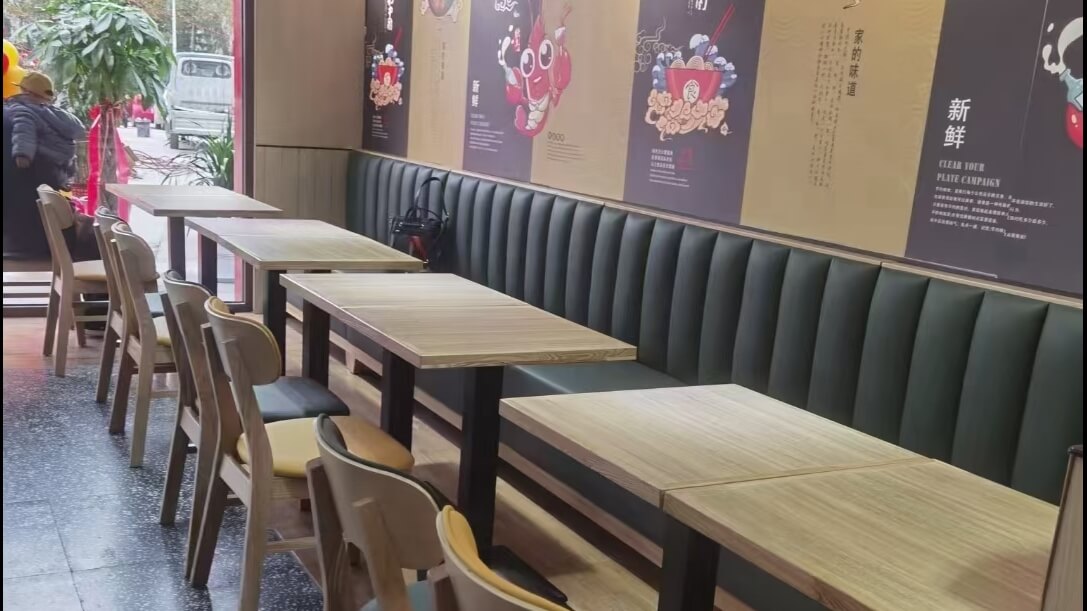
日常清洁是桌椅养护的基础,需规避错误清洁方式。很多门店习惯用强酸、强碱消毒液或硬毛刷清理桌椅,短期看似干净,实则会腐蚀桌面涂层、磨损漆面,导致桌椅快速老化褪色。针对不同材质需适配专属清洁方案,钢木桌椅用中性清洁剂搭配软抹布擦拭,去除油渍污渍即可,避免积水浸泡钢架接口,防止生锈松动;岩板桌面无需特殊药剂,清水擦拭即可,杜绝钢丝球打磨,防止产生细微划痕;软包座椅定期用吸尘设备清理缝隙灰尘,针对油渍污渍轻柔擦拭,保持皮质干爽透气。
Regular cleaning is the foundation of furniture maintenance, and it is essential to avoid incorrect cleaning methods. Many stores often use strong acid or alkali disinfectants or hard-bristle brushes to clean tables and chairs. While this may appear clean in the short term, it can actually corrode the surface coating and wear down the paint, leading to rapid aging and discoloration of the furniture. For different materials, specialized cleaning solutions should be applied: for steel and wood tables and chairs, use neutral cleaning agents with soft cloths to remove grease and stains, avoiding water accumulation that could soak the steel frame joints and cause rust or loosening; for stone slab tabletops, no special agents are needed—simply wipe with water, and avoid using steel wool pads to prevent fine scratches; for upholstered seating, regularly use vacuum cleaners to remove dust from crevices and gently wipe away grease and stains, keeping the leather dry and breathable.
针对性防护养护,可从源头减少桌椅损耗。营业高峰期需做好桌面防护,摆放隔热垫、餐垫,避免滚烫锅底、热油直接接触桌面,防止漆面鼓包、岩板渗色、实木烫痕。桌椅挪动时轻抬轻放,禁止直接拖拽摩擦,既可以避免地面刮损,也能防止桌椅腿松动、变形、掉漆。潮湿季节是桌椅病害高发期,需保持店内通风干燥,尤其是实木、软包桌椅,及时除湿防霉,避免板材受潮变形、软包发霉异味,杜绝细菌滋生影响用餐卫生。
Targeted maintenance and protection can reduce furniture wear at the source. During peak business hours, protect tabletops by placing heat pads and placemats to prevent direct contact with hot pots or oil, avoiding paint blistering, stone slab discoloration, and hardwood scorch marks. When moving tables and chairs, lift and place them gently to avoid dragging or friction, which helps prevent floor scratches as well as loose, deformed, or painted chair legs. In humid seasons when furniture damage is prone to occur, maintain proper ventilation and dryness in the store, especially for hardwood and upholstered tables and chairs. Promptly remove moisture and prevent mold to avoid board warping, upholstery mold, and odor, as well as bacterial growth that could compromise dining hygiene.
老旧桌椅低成本翻新,是门店降本增效的关键。针对轻微掉漆、划痕的钢架桌椅,可打磨补漆修复,快速恢复外观;实木桌椅轻微开裂、褪色,通过打蜡、补色翻新即可焕然一新;软包座椅出现局部磨损、污渍,可更换局部面料,无需整体更换。定期检查桌椅螺丝、连接件,及时紧固松动配件,加固焊接松动部位,能有效避免桌椅晃动、损坏,保障使用安全。
Low-cost refurbishment of old tables and chairs is key to cost reduction and efficiency improvement in stores. For steel-framed tables and chairs with minor paint peeling or scratches, sanding and repainting can quickly restore their appearance. For solid wood tables and chairs with slight cracks or fading, waxing and repainting can revitalize them. For soft-upholstered seats with localized wear or stains, replacing the affected fabric sections is sufficient without needing a full replacement. Regularly inspecting screws and connectors, promptly tightening loose fittings, and reinforcing welded joints can effectively prevent shaking, damage, and ensure safety.
总而言之,餐饮桌椅的长效耐用,三分靠品质,七分靠养护。适配商用场景的精细化保养,规避错误清洁使用习惯,做好日常防护与低成本翻新,既能保持门店桌椅整洁美观、提升用餐质感,又能极大降低设备损耗与更换成本,助力餐饮店轻量化运营、节约经营开支。
In summary, the long-term durability of dining tables and chairs depends 30% on quality and 70% on maintenance. By adopting refined care tailored to commercial settings, avoiding improper cleaning habits, and implementing daily protection along with cost-effective refurbishment, you can maintain the cleanliness and aesthetics of store furniture, enhance the dining experience, and significantly reduce equipment wear and replacement costs. This approach helps restaurants achieve lightweight operations and cut operational expenses.


